Borrow Handbags, Rent or Buy: How to Decide What to Carry
November 6, 2026 · 9 min read
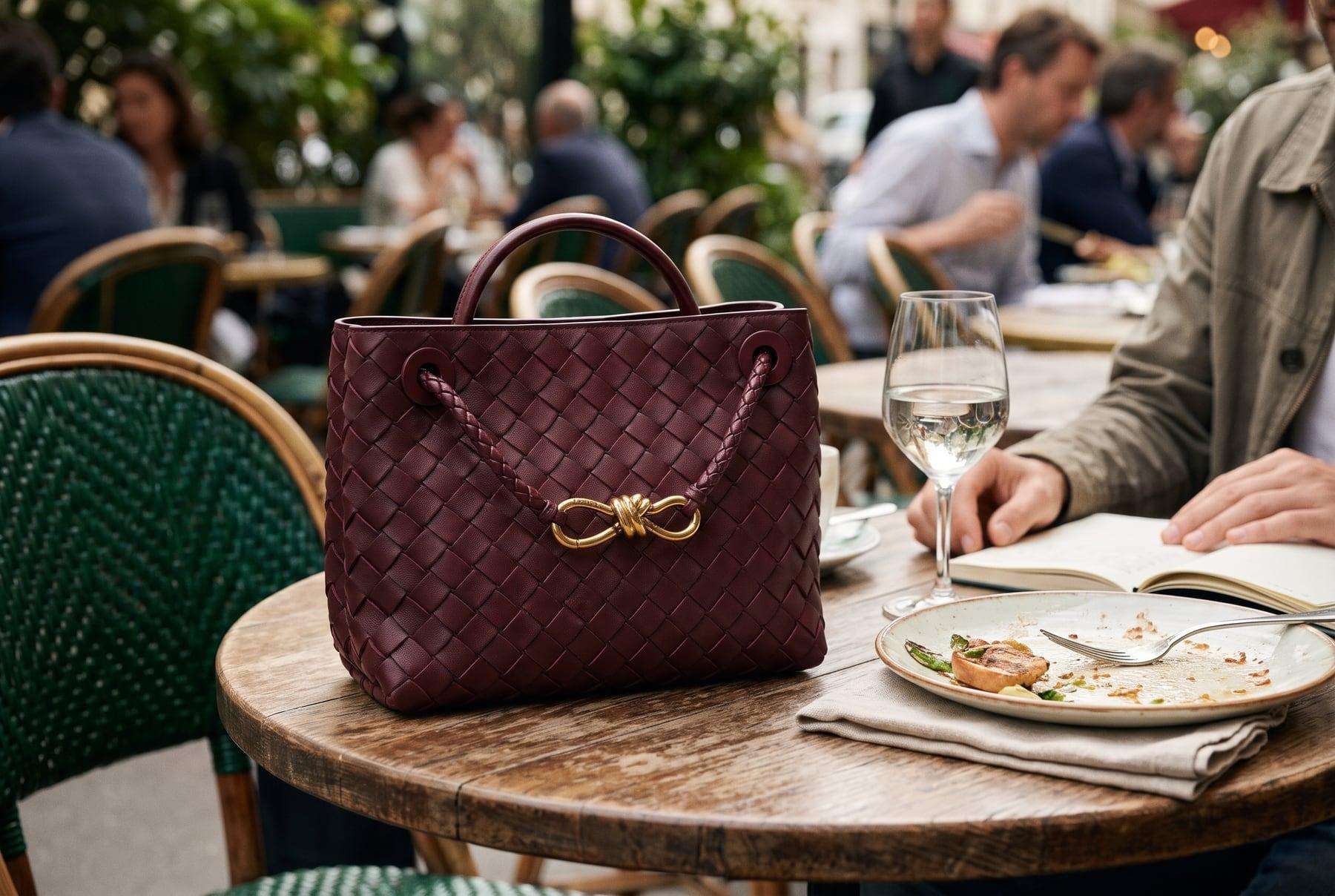
Yes, you can borrow handbags instead of buying them, and there are now three distinct ways to carry a bag you love: borrow from another person's closet, rent from a curated service that owns its stock, or buy the bag outright. Each suits a different kind of year. The way to choose is not a slogan about access but your own habits: how often you reach for a bag, and how quickly your taste moves on.
Three ways to carry a bag you love
For a long time there was only one way to carry a Chanel Classic Flap or a Dior Saddle: you bought it, and you lived with that decision for a decade. That is still a perfectly good way to own a bag. It is no longer the only one.
The first alternative is borrowing from another woman's closet, usually through a peer-to-peer app. The second is renting from a company that owns the bags itself and edits what goes into its closet. These two are often lumped together as "rental", but they behave very differently. In one you deal with an individual lender. In the other you deal with a single service and a single set of terms.
Neither replaces buying. They answer different questions. Borrowing answers "what do I carry to this one wedding?" A membership answers "what do I want to carry this season?" Buying answers "what will I carry for years?" Knowing which question you are asking is most of the decision.
How do you borrow handbags from another person's closet?
You join a peer-to-peer marketplace, find a piece another member has listed, and rent it directly from her for a set period. The platform sits in the middle, handling payment and reviews, but the bag belongs to the lender.
The model is often described as a holiday rental for your closet, and the comparison captures both the appeal and the catch. Every listing is someone's own property, priced and described by her. Most of what is listed on these apps is clothing, but many accept accessories too, which is where a bag would sit.
How is the price of a peer-to-peer rental set?
The lender sets it. Platforms may suggest a price, often as a share of the bag's retail price, and usually take a cut of each rental, but the final number is the lender's.
Any suggested price is a guide, not a rule. Two lenders with the same bag can ask quite different amounts, and the condition of each bag is whatever that lender keeps it in. That is the trade at the heart of peer-to-peer: flexibility and choice, with the price, the condition and the terms set by the person on the other side.
Delivery depends on where the lender lives and how quickly she ships, so build in time before your event.
What should you check before you borrow a bag from another person?
Start with the lender's reviews, where the app has them. A lender's track record tells you more than any single photograph.
Then read the terms closely, including what condition the bag must come back in. Beyond that, ask the lender directly:
- Recent photos of the corners, handles and strap, in daylight.
- What she considers normal wear, and what she would treat as damage.
- Exact dates for delivery and return, with a margin before your event.
- Who pays, and how, if something goes wrong.
None of this is suspicion. It is what you would ask a friend before borrowing her best bag, written down.
Renting from a curated closet: what changes when someone edits for you
A curated service changes who you are dealing with. Instead of a different lender for every bag, there is one closet, one set of terms and one standard of selection. You give up some of the randomness of a marketplace, the odd find in someone's spare room, and in exchange you get an edit and continuity.
The edit matters more than it sounds. A marketplace shows you everything that has been listed. A curated closet shows you what someone has decided deserves to be there. At Saclyn, that means iconic houses including Chanel, Hermès, Bottega Veneta, Loewe, The Row, Saint Laurent, Celine, Dior and Louis Vuitton, and the principle is simple: every piece earns its place.
Continuity is the other half. Rather than committing to one bag for a decade, you rotate through the season. A personal stylist is part of that. Margaux, Saclyn's AI stylist, reads your taste in a short chat, gives you a Style DNA portrait, remembers what you like and curates picks with a point of view. The closet should feel chosen for you, not browsed.
For a fuller account of the mechanics behind this kind of service, see how luxury purse rentals actually work.
Borrowing, renting and buying compared, side by side
| Borrowing (peer-to-peer) | Renting (curated membership) | Buying | |
|---|---|---|---|
| Who owns the bag | Another person | The service | You |
| Who sets price and terms | The individual lender | The service, one set of terms | The seller |
| How you choose | Search listings | An edit, with a stylist's picks | Anything you can find |
| Best suited to | A one-off occasion | A season, or a rotation | A bag you carry several times a week for years |
| Commitment | Per rental | At Saclyn, no minimum, cancel anytime | Permanent, until you resell |
| Returns | Arranged with each lender | At Saclyn, prepaid both ways | None |
The table makes one thing plain: these are not cheaper and dearer versions of the same thing. They are different relationships with a bag.
How a closet membership works week to week
Saclyn is open to the public in the US. Anyone can apply, and approved members either rent by the week with a Weekly Pass or join a membership, on the Signature or Statement tier. You can reserve a bag for a week, a month or a season, or keep rotating through membership. The full steps are on how Saclyn works, and the tiers are laid out on the membership plans page.
The practical details are what make it feel easy. The bag arrives the day before you need it. Returns are prepaid both ways. Swaps between bags are supported, so a season can hold more than one bag. Saclyn Reserve, the loyalty program, earns points toward swaps, additional concurrent rentals and weekly passes. There is no minimum commitment, and you can cancel anytime.
Here is what a season might look like. Winter opens with Bottega Veneta's Small Andiamo in burgundy Intrecciato nappa, which reads deep wine by daylight and close to black after dark. It has no logo; it is recognized by its leather. The small size takes a phone, a card case, keys and a lipstick, and the 20-inch strap drop sits comfortably on the shoulder, even over a coat.
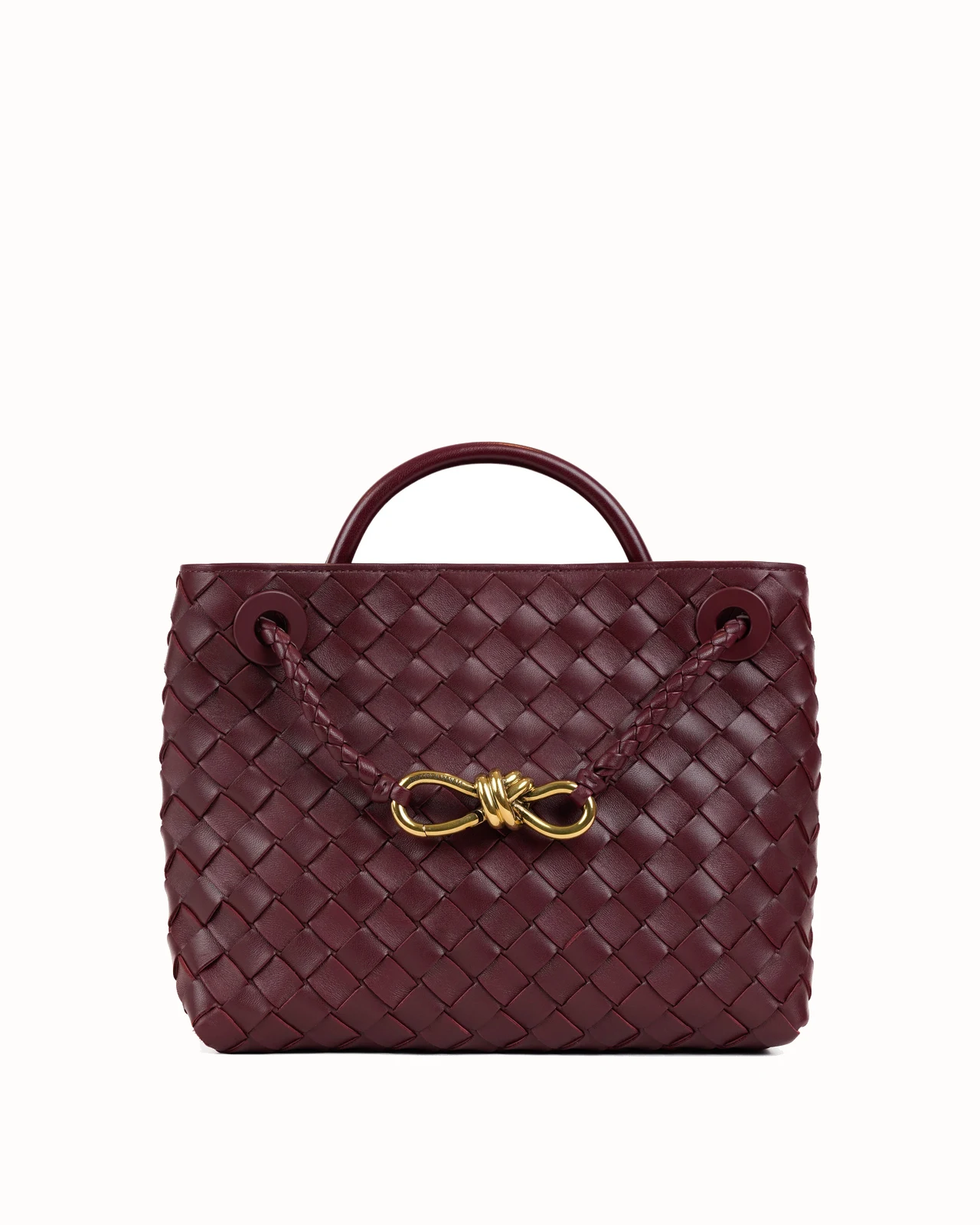 Bottega VenetaSmall AndiamoRent this bag
When the travel days arrive, you swap. Dior's Medium Saddle Bag in beige grained calfskin is a slim bag, so you pack flat: cards, keys, sunglasses and a thin pouch. With a 19.5-inch strap drop it settles close against the body, the way the Saddle was always meant to be worn, and it looks considered in every photograph. More of the house's shapes are on the Dior rental page.
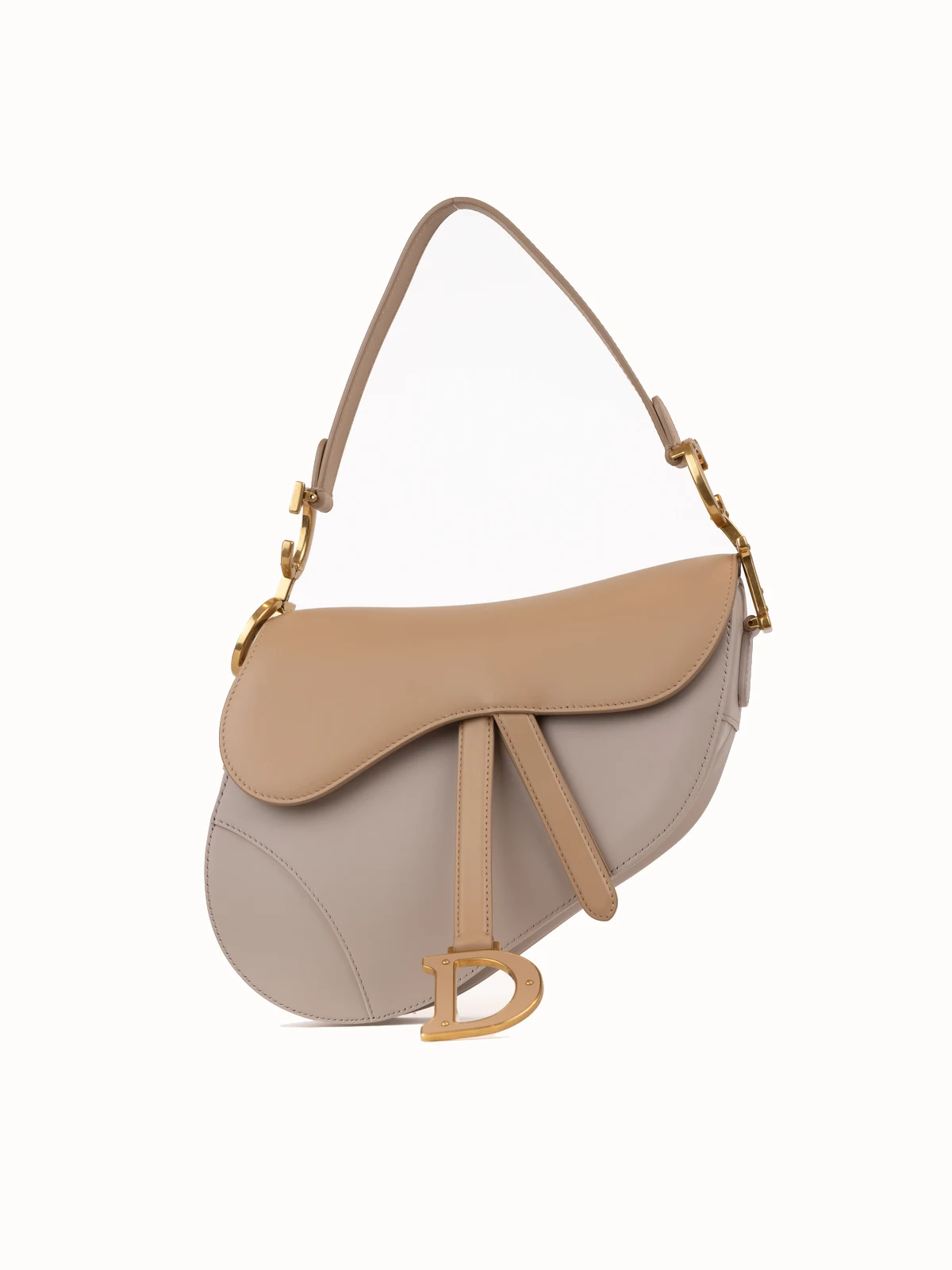 DiorSaddle Bag MediumRent this bag
That is the point of continuity. You are not choosing one bag to represent you for ten years. You are choosing the right bag for the next few weeks, and then choosing again.
When buying still makes sense
Buying wins for the bag you would carry several times a week, for years. If one shape has become part of how you dress, renting it indefinitely is a strange way to own something. Buy it, care for it, and let it age with you.
Buying also wins for the piece you simply want to keep for good: a bag tied to a moment in your life, or one you intend to pass on. That is a different kind of value, and no rental model is trying to replace it.
There is an honest middle ground, too. If you are torn about a bag you might buy, a season with it will tell you more than any amount of looking. If it is still the bag you reach for in week ten, you have your answer.
Do designer bags hold their value on resale?
It depends on the bag, the house and the moment, and the figures circulating online often disagree with each other and rarely link to their source. If resale value is part of your reason to buy, look for the original report behind any number you are quoted, and treat past figures as a record, not a promise about the future.
A simple test: how often will you actually carry it
Forget the question of whether renting is "better". Ask two smaller ones. How often will you reach for this bag? And how long before your taste moves on?
If it is for one occasion
Borrowing or a short rental makes sense. Weddings and ski trips are a big expense partly because what you wear to them comes out only a couple of times a year. A bag for a single wedding sits in the same category.
Chanel's Classic Flap Medium in cream caviar is a good example. Cream is a color for formal days: weddings, christenings, a long lunch that turns into an evening. Many women love it and would carry it a handful of times a year. That is exactly the calendar a week's rental fits. More from the house is on the Chanel rental page.
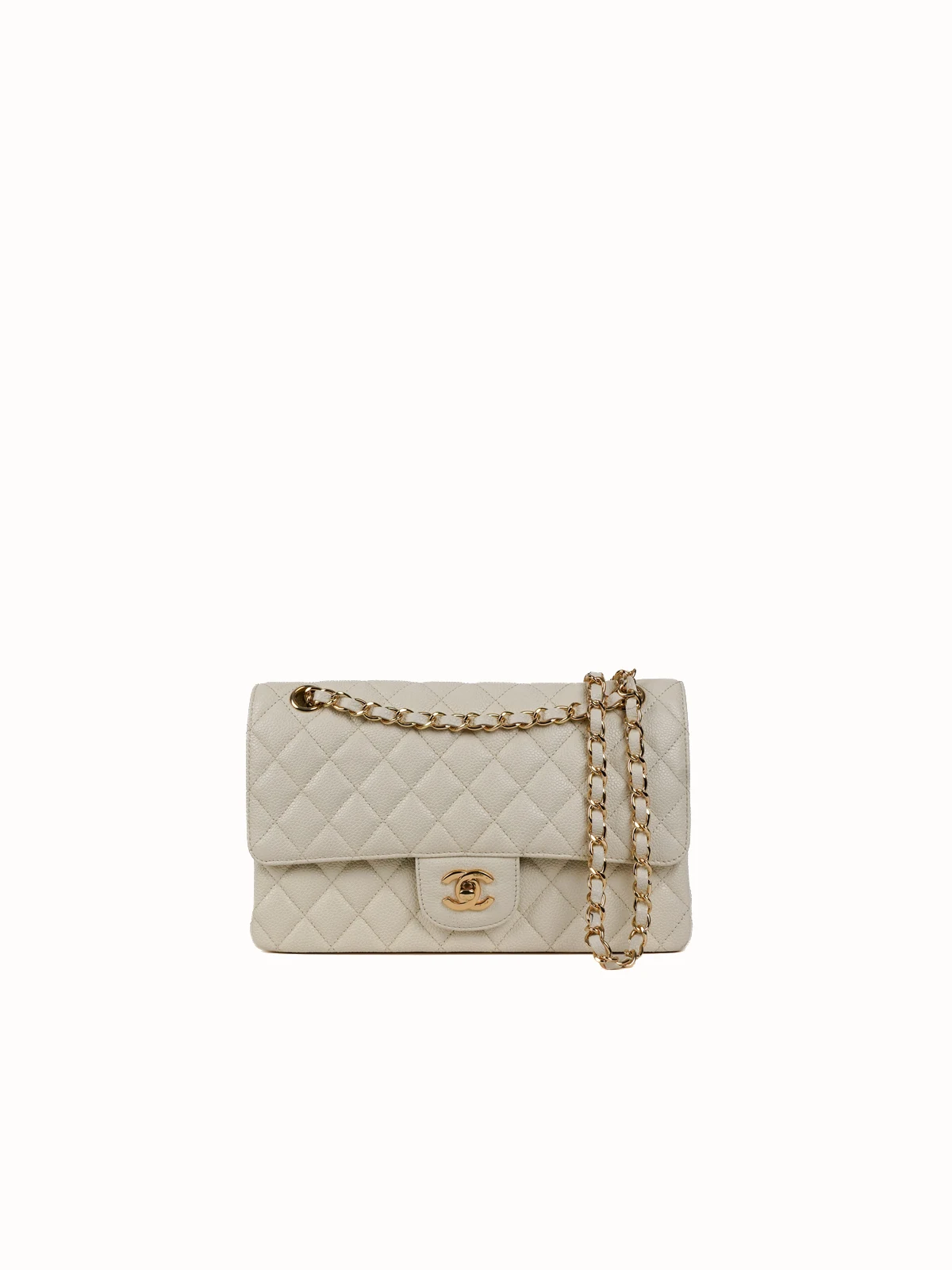 ChanelClassic Flap MediumRent this bag
Is it worth renting a designer bag for a season?
It is worth it when you would carry a bag for a season rather than a decade, or when your taste moves faster than one purchase can keep up with. If you find yourself wanting the weave one winter and a curve the next spring, a membership matches the way you actually dress. Building a small rotation around a few strong pieces is the idea behind our guide to capsule wardrobe bags.
If you think it might be your everyday bag
Test it before you commit. Celine's Medium Nino in cognac grained nubuck calfskin is the kind of bag that could become an everyday companion. The medium size takes a phone, a full wallet, keys, sunglasses and a small cosmetics pouch, and the adjustable strap, with a 21-inch drop, takes it from hand to shoulder to crossbody. Cognac warms up black, flatters navy and camel, and looks right with denim on a weekend.
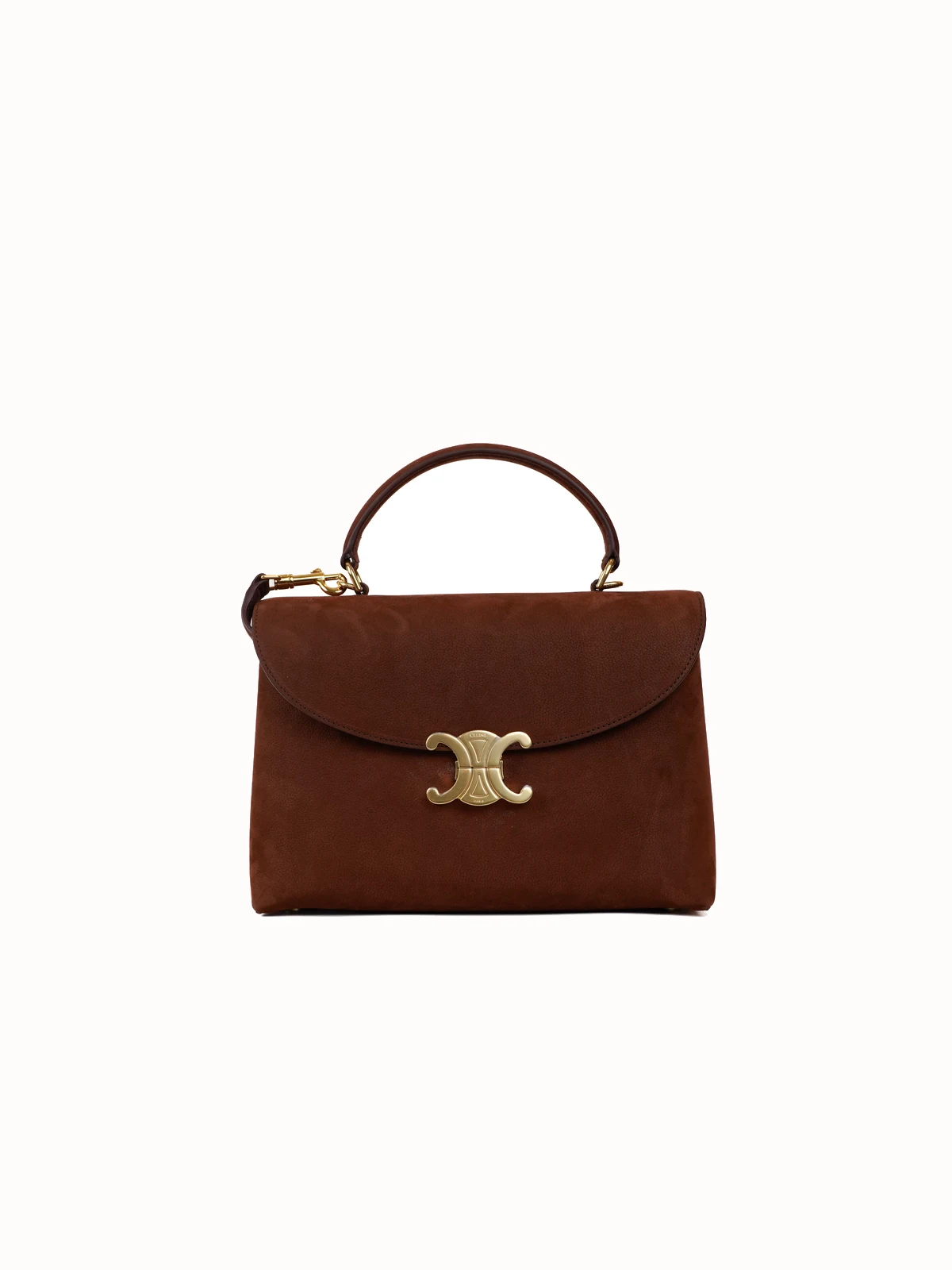 CelineMedium NinoRent this bag
Carry it through a season. If you reach for it several times a week and still want it at the end, buying it may be the right call. If you were glad to swap it, you have learned something useful without the decade-long commitment. Other Celine shapes are on the Celine rental page.
If you already know
Some women know. One bag, carried constantly, for years. Buy it. The test only exists to help the rest of us find out which bag that is.
Frequently asked questions
- Can you borrow a designer handbag instead of buying one?
- Yes. You can borrow from another person's closet through a peer-to-peer app, rent from a curated service that owns its own stock, or buy. Each suits a different situation.
- How is the price of a peer-to-peer rental set?
- The lender sets it. The platform may suggest a price and usually takes a cut of each rental, but the final number is the lender's.
- What is the difference between borrowing and a handbag membership?
- Borrowing peer-to-peer means renting from an individual who sets the price, condition and terms. A curated membership means one service with one set of terms, an edited closet and the option to rotate through a season.
- When does it make more sense to buy a designer bag?
- Buying makes sense for a bag you would carry several times a week for years, or one you want to keep for good.
- What should I check before I borrow a bag from another person?
- Read the lender's reviews, check the return terms, ask for recent photos of the corners, handles and strap, confirm delivery and return dates, and agree on what happens if something goes wrong.
Legal Disclaimer: Saclyn is an independent luxury rental platform. Saclyn is not affiliated, associated, authorized, endorsed by, or in any way officially connected with Chanel, Dior, Hermès, Bottega Veneta, Loewe, The Row, Saint Laurent, Celine or Louis Vuitton, or any of their subsidiaries or affiliates. The names Chanel, Dior, Hermès, Bottega Veneta, Loewe, The Row, Saint Laurent, Celine and Louis Vuitton, as well as related names, marks, emblems, and images, are registered trademarks of their respective owners. Brand names are used solely for descriptive and identification purposes.