Layaway Designer Bags: Carry It Before You Commit
November 14, 2026 · 9 min read
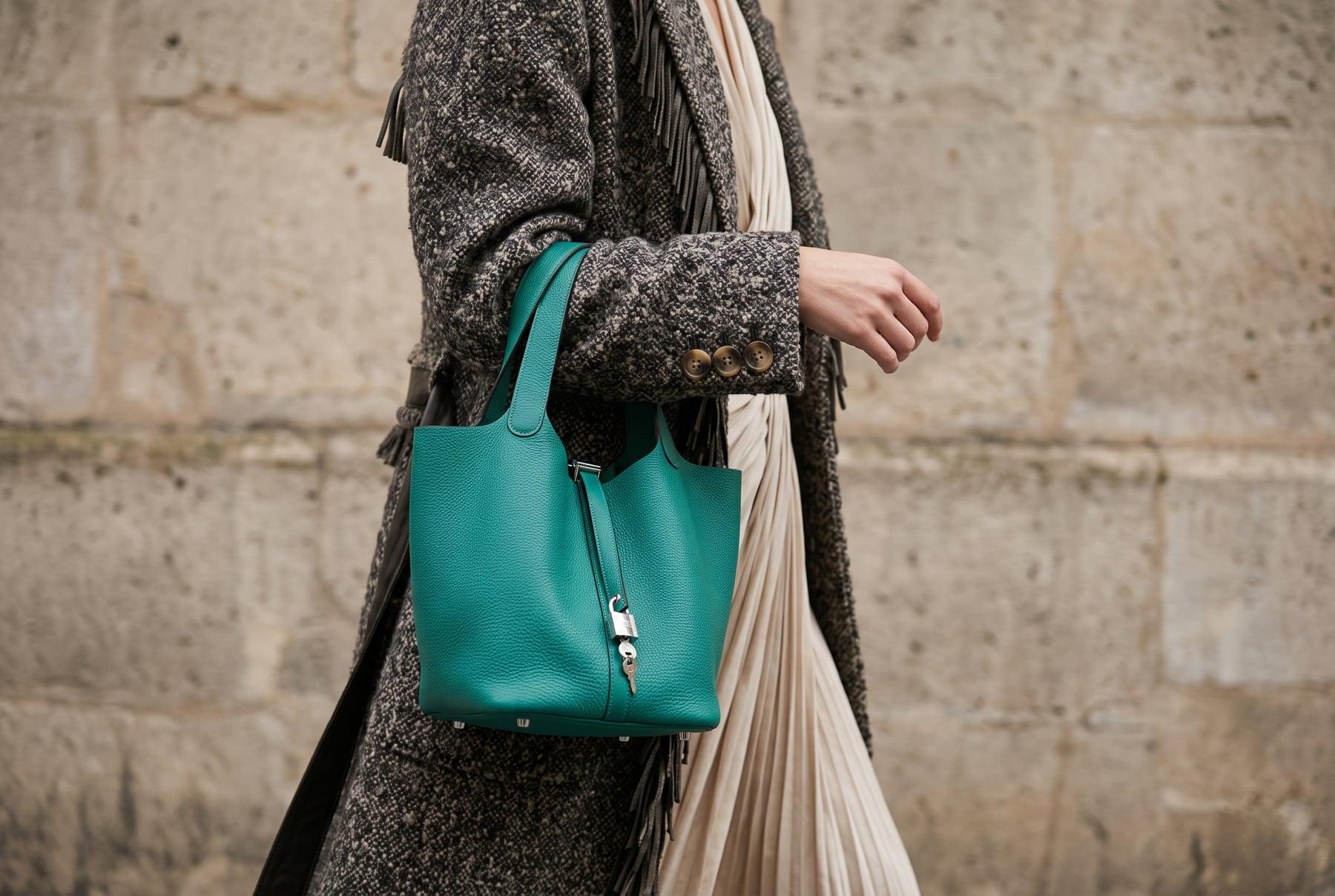
Layaway designer bags work like a reservation: you put down a deposit, pay the balance over a set period, and the bag stays with the seller until your final payment. Buy now, pay later reverses the order, so you carry the bag while you repay. Either way, you decide to buy before you have lived with the bag.
That gap is the subject of this guide. It does not recommend a plan or a lender, and it does not weigh one shop's terms against another's. It sets out how each route works and the questions the Federal Trade Commission suggests asking. Then it offers one quiet step that can settle the decision before the big purchase.
Layaway designer bags and pay later plans: two ways to spread the cost
Both plans let you spread the cost of a bag over time. They differ on who holds the bag while you pay, and on who you pay.
"A layaway plan lets you put an item on hold while you pay for it over time."
How does layaway work for a designer bag?
You pay a deposit, plus any fees the store charges, and then pay the rest over a set window while the seller holds the bag. According to the Federal Trade Commission, those fees may include storage costs. Layaway buyers often have a short period, often 30 days, to pay the rest of the cost.
The terms vary from seller to seller, which is the first thing to know. There is no single layaway policy for a designer bag.
Do you get the bag before you finish paying on layaway?
No. Under layaway you get the item only after you pay in full, as the FTC puts it. State law can say the same thing. Connecticut's statute defines a layaway plan as one where periodic payment is permitted and delivery is deferred until the entire purchase price is paid.
In practice, you will not carry the bag to dinner, test the strap or load it with your own things until the last payment clears. You are paying toward a bag on a shelf.
Layaway vs buy now, pay later: what is the difference?
The difference is when the bag reaches you, and who you pay. With buy now, pay later, the FTC explains, you pay part of the cost now, get the item, and make regular payments to the company that manages the plan, not to the store. The Federal Reserve Bank of Richmond describes the common pay-in-four version as a short-term, no-interest loan repaid in four equal installments, with the first due at purchase and the rest at two-week intervals.
| Layaway | Buy now, pay later | |
|---|---|---|
| When you get the bag | After you pay in full | After paying part of the cost |
| Who holds the bag meanwhile | The seller | You |
| Who you pay | The store | The company that manages the plan, not the store |
| Typical window | Often 30 days, per the FTC | Pay-in-four: four equal installments, the first at purchase, the rest at two-week intervals, per the Richmond Fed |
| Fees to ask about | A deposit plus any store fees, which may include storage costs | Many plans advertise no-interest payments and few or no fees, but most charge some fees, per the FTC |
The FTC adds one more point that applies to both routes: these plans typically offer fewer protections when it comes to disputes.
How widely is buy now, pay later used?
Widely, on the figures available. The Consumer Financial Protection Bureau found that 21.2 percent of consumers with a credit record financed at least one purchase with a BNPL loan in 2022, up from 17.6 percent in 2021. The research paired applications from six large firms with deidentified credit records. The CFPB page is archived and notes it may be outdated. The bureau also points out that lenders do not typically report these loans to nationwide consumer reporting companies, which limits the data.
The Richmond Fed brief finds no clear evidence of a causal link between BNPL use and higher indebtedness, and it describes the effects on consumers as mixed.
"The welfare effects of BNPL appear mixed, potentially lowering borrowing costs for some consumers while increasing risks for others with limited liquidity or financial planning."
None of this makes either plan right or wrong for you. That depends on your own budget, and this Journal does not try to answer it.
What should you check before paying a layaway deposit?
Check the fees, the refund policy and the written terms, and ask what happens if you change your mind. The FTC's guidance gives you most of the list:
- The deposit and the fees. Ask what the store charges on top of the deposit, including any storage costs.
- The payment window. Ask how long you have to pay the rest, and how long the bag will be held for you.
- The refund policy. Ask what you get back if the plan ends early, and how.
- Disputes. These plans typically offer fewer protections when it comes to disputes, so ask how a problem would be handled.
- Your state's rules. Most states have specific laws that apply to layaway plans.
Connecticut gives a sense of what those laws can require. Under Chapter 738b, a layaway seller must give the buyer a written statement of terms. It covers the deposit amount, how long the goods will be held, a description of the goods and the total purchase price. The seller must also give a receipt for each payment showing the amount, the date and the balance due. Even if your state's rules differ, that list is a sound checklist for any agreement you are handed.
What happens if you change your mind partway through?
It depends on the plan's refund policy, which is why the FTC suggests asking about it before you sign.
"What happens if you’re still making payments on an item and then decide you don’t want it?"
In Connecticut, if not all of the deposit will be refunded on cancellation, the seller must state what portion will be forfeited. Read that line before you pay, not after. And if the plan is offered at the register, with the bag already wrapped in tissue, the FTC's advice is plain.
"If you feel pressured into signing up for a plan when you’re checking out, slow down."
What you only learn by carrying it: weight, strap drop, what fits inside
Every question above is about the money. None of them tells you whether the bag suits your days. A few minutes at a counter cannot show you where the strap lands on your coat, how the leather feels at the end of a long afternoon, or whether your own phone and keys sit comfortably inside.
Strap drop. A Chanel Classic Flap Medium wears its chain doubled on the shoulder with a 9-inch drop. A Louis Vuitton Pochette Métis has a strap that drops 21.7 inches, so it sits at the hip when worn crossbody. Both are good bags, and they behave very differently on the body.
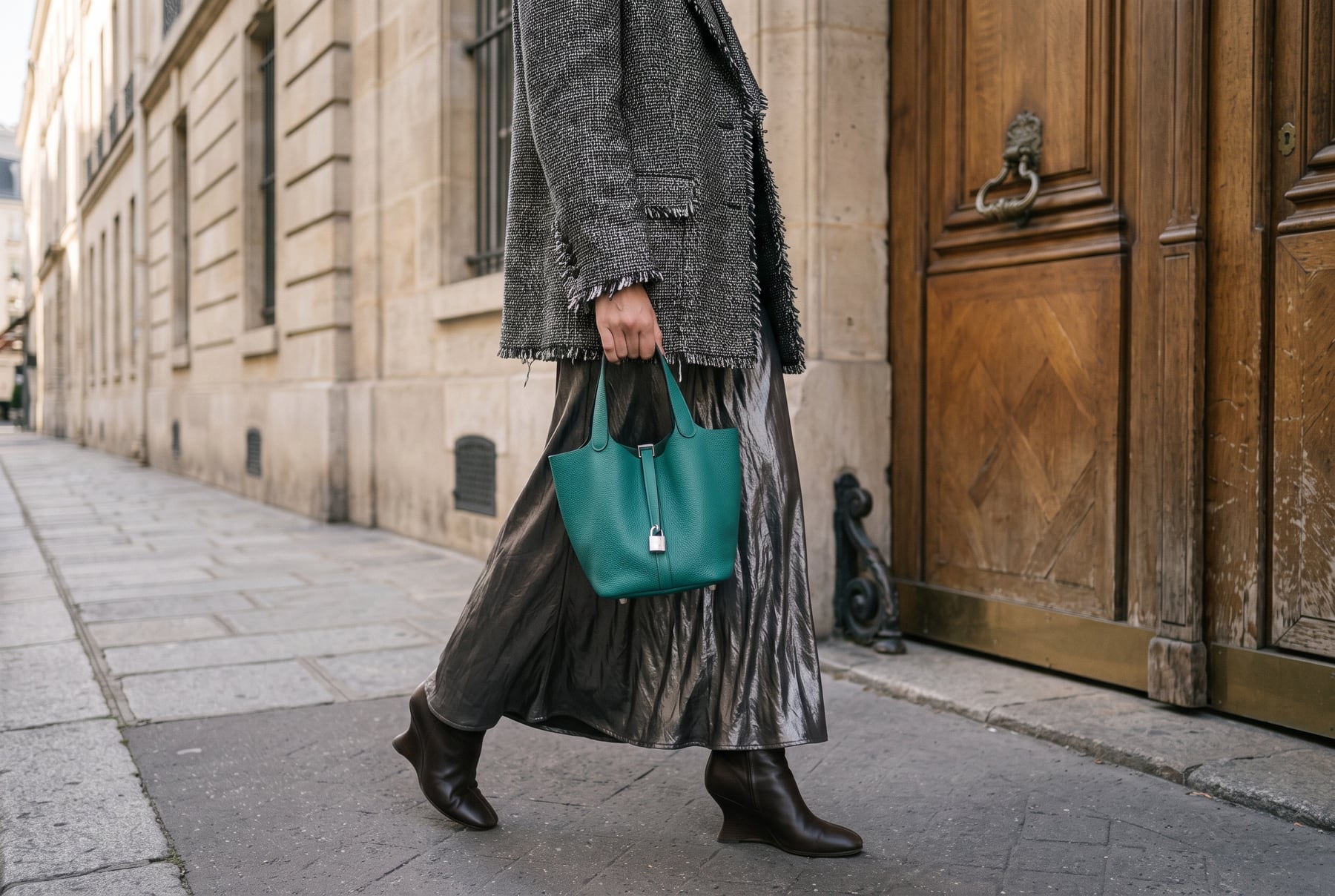
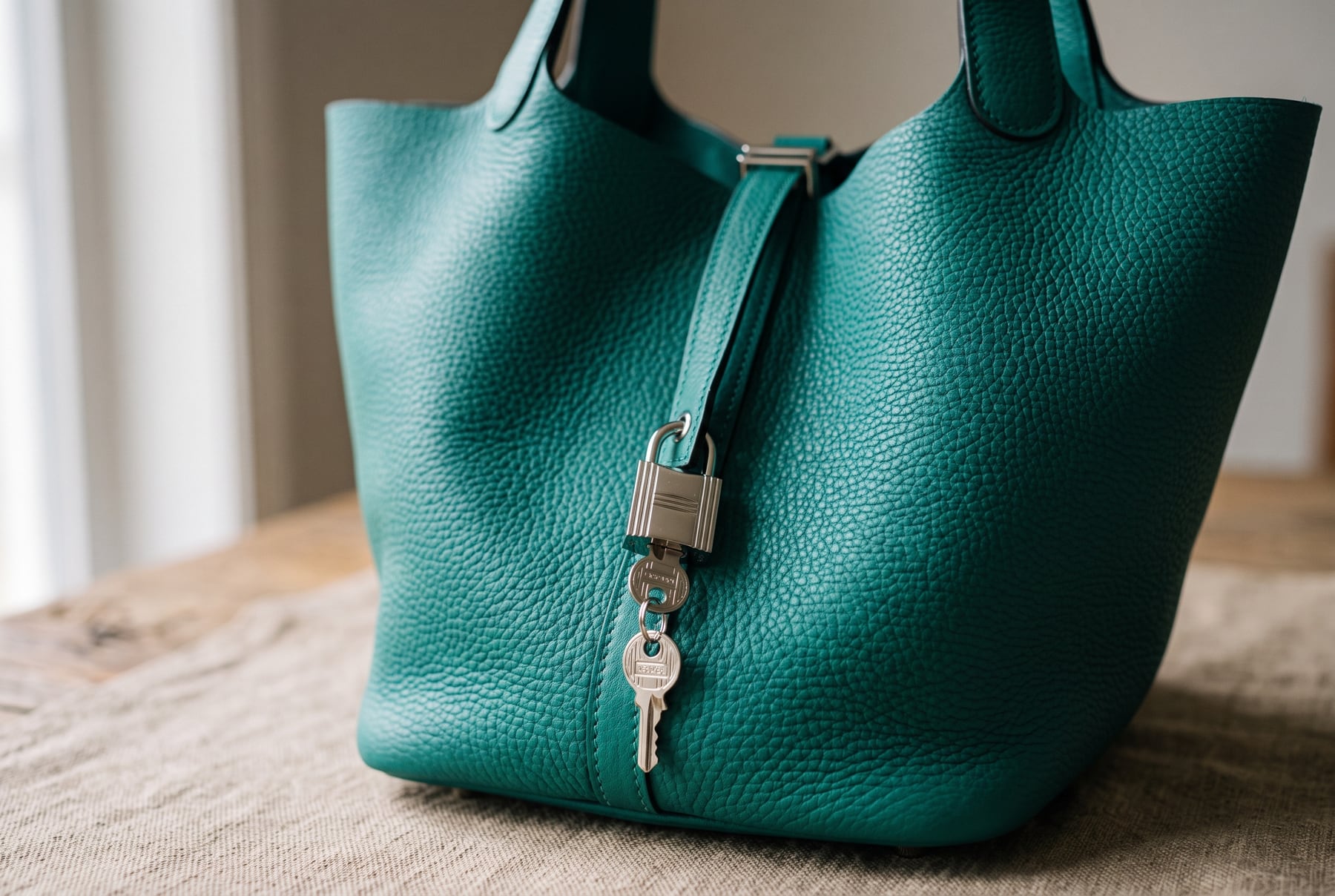
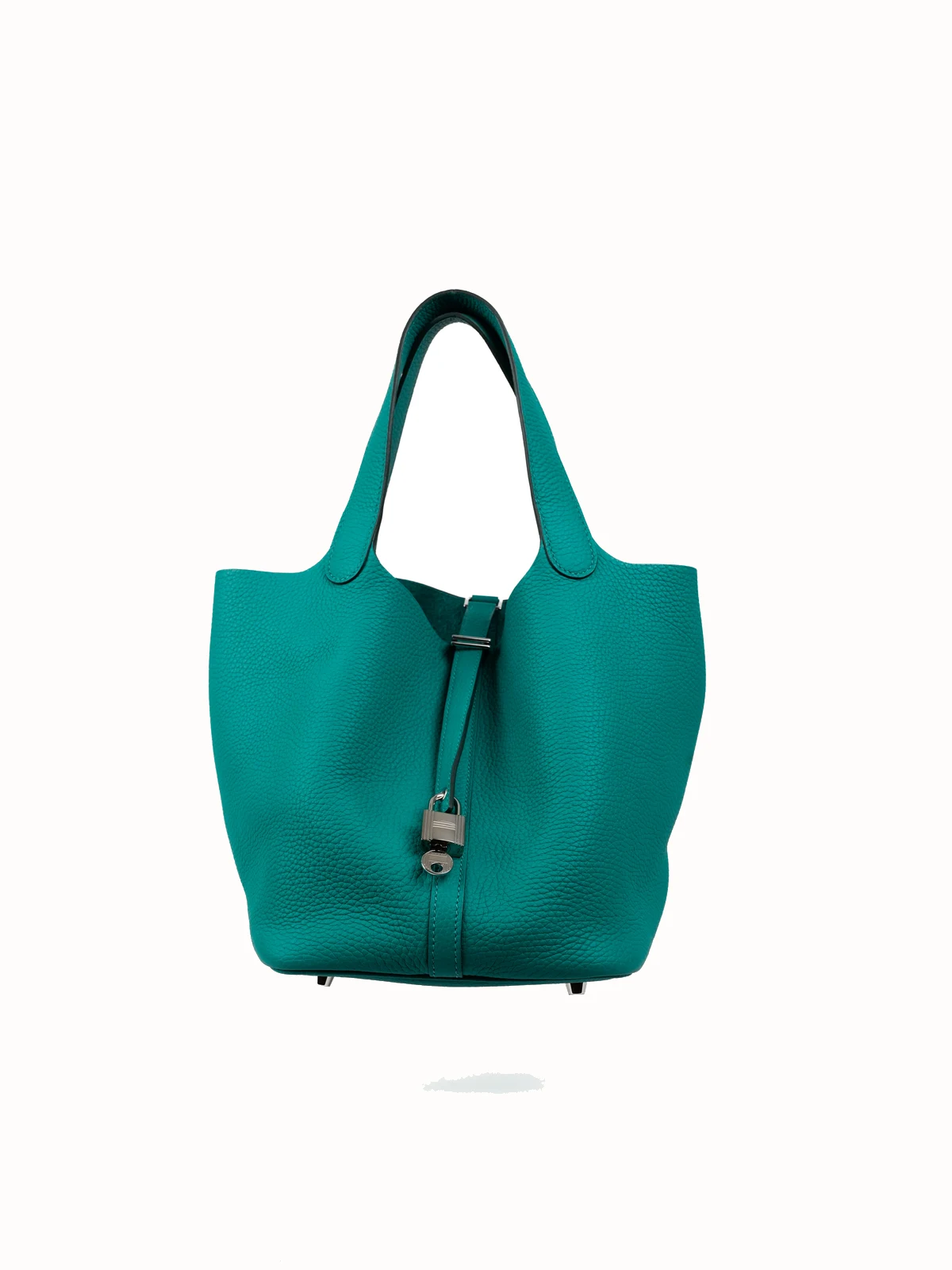
Weight. Hermès' Clemence leather is a full-grain bull calf with real weight, which is part of why a Picotin softens and slouches over time. Whether that weight feels reassuring or tiring by evening is something only you can judge, and only by carrying it.
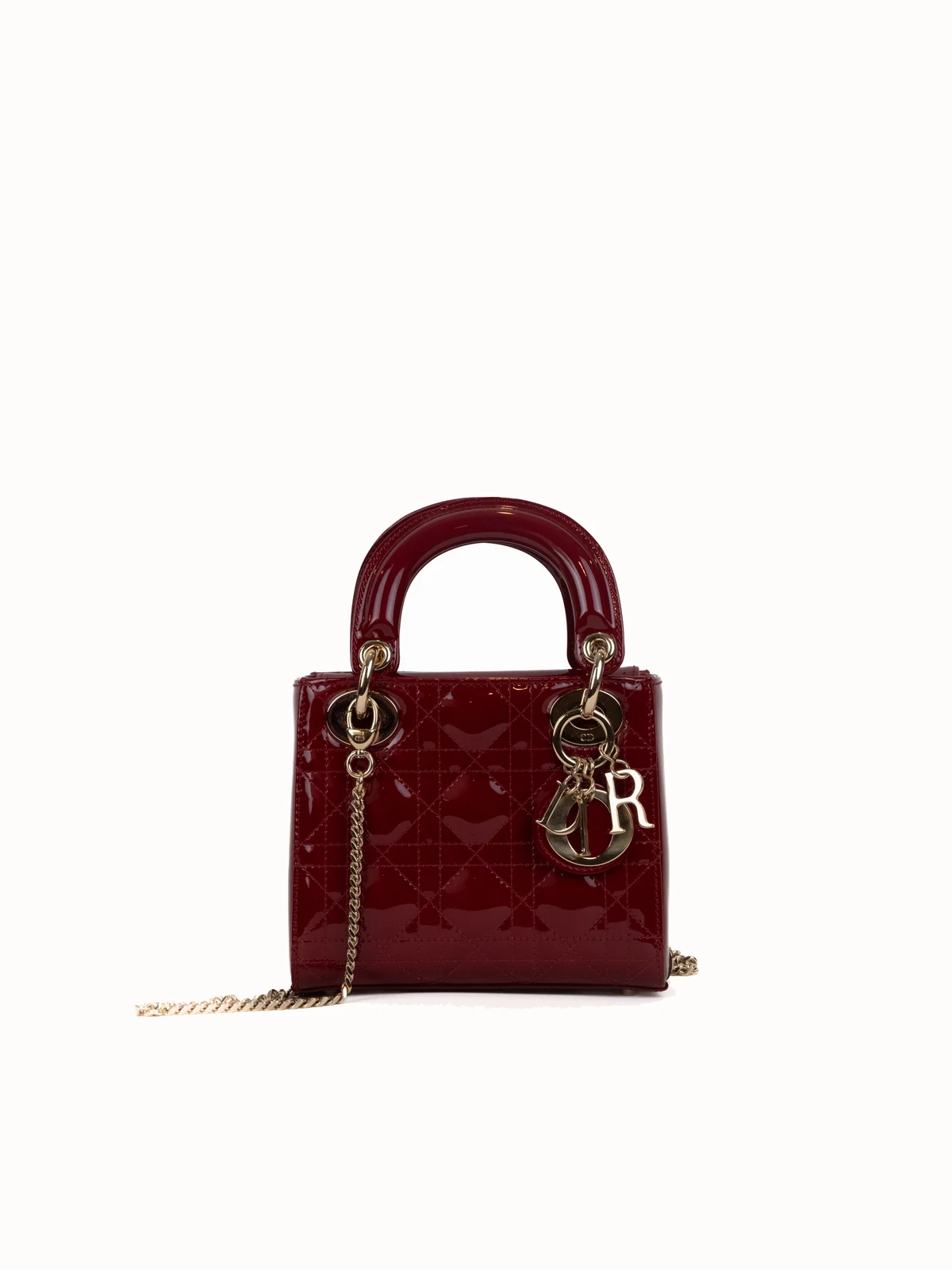
What fits. The Lady Dior Mini, at 6.5 inches wide, takes a phone, a card holder and a lipstick. That is a perfect evening and a short afternoon. Better to know before you pay than after.
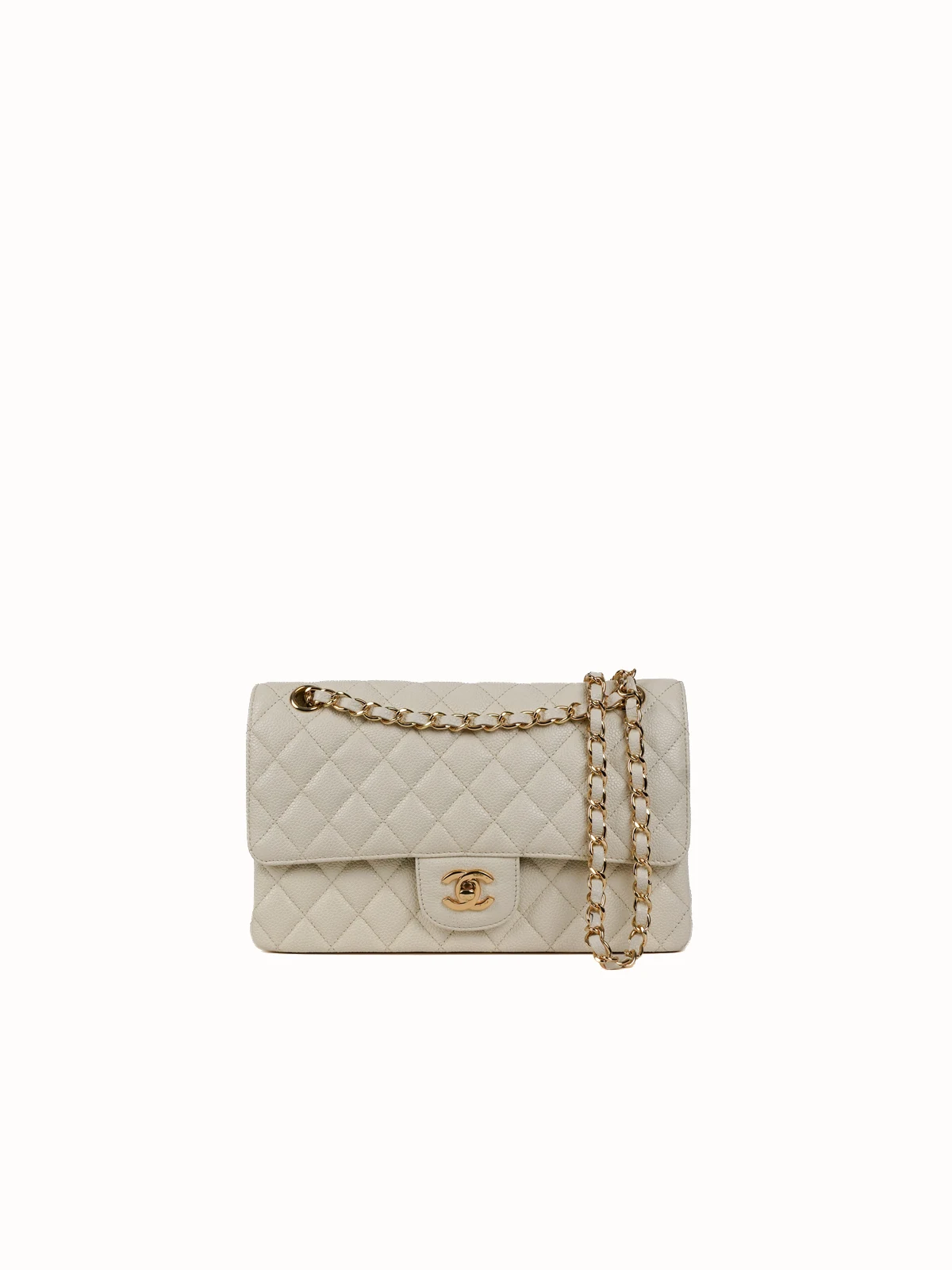
Chanel Classic Flap Medium
- Feels
- Polished, for occasions
- Carry
- Chain doubled on the shoulder, 9 in drop
- Holds
- Phone, card case, keys, compact, lipstick
Pick this if your calendar runs to weddings and long lunches
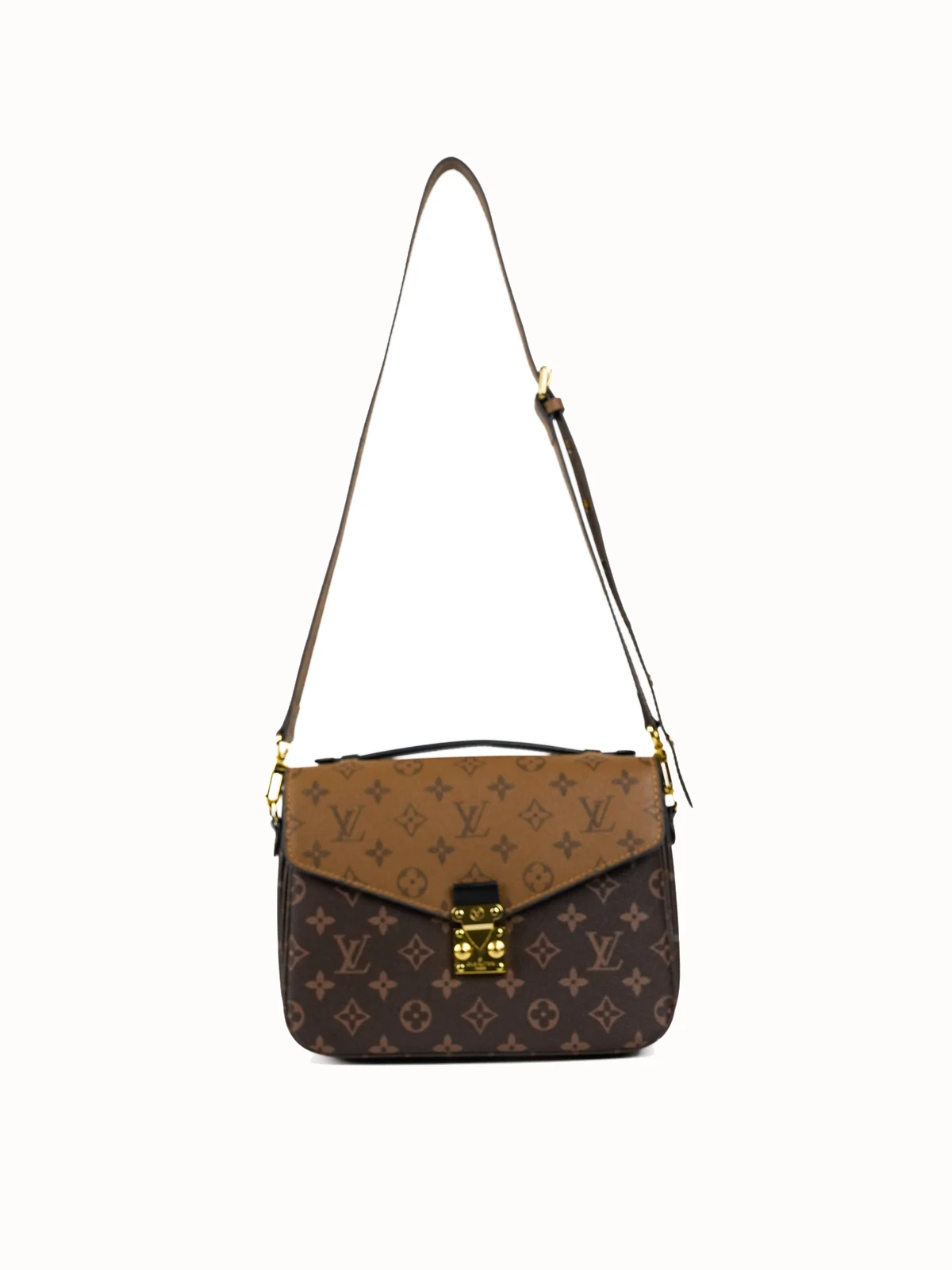
Louis Vuitton Pochette Métis
- Feels
- Practical, for a full day
- Carry
- Crossbody at the hip, 21.7 in drop
- Holds
- Phone, card case, keys, lipstick
Pick this if one bag has to cover meetings and airports
Is it worth renting a designer bag before buying it?
If you are about to commit to weeks of payments, living with the same model, or one close to it, for a week or a month is a sensible first step. On Saclyn you can reserve a bag for a week, a month or a season, or keep rotating through a membership. There is no minimum commitment, and you can cancel anytime. The details are on how Saclyn works.
Use the time to carry it on ordinary days, not only good ones. Wear it with the coat you actually reach for. Pack it the way you would on a Tuesday. If you are unsure which model to try, Margaux, our AI stylist, can read your taste in a short chat and suggest pieces with a point of view.
- Pick a bagChoose the one for your week, or your month.
- It's deliveredFree shipping both ways.
- Wear itFor your week, or as long as you like on a membership.
- Send it backThen choose your next.
If the bag earns its place, the big purchase is the right one, and you make it knowing exactly what you are paying for. If it does not, you have learned that before committing. For a longer look at the choice, see borrow, rent or buy.
Pieces worth living with before you buy
These four reward a real trial, because each one asks something different of the person carrying it. Look at the hardware and the leather up close, then ask whether you would still love them in month three.
 HermèsPicotin Lock MMRent this bag
The Picotin Lock MM has no shoulder strap. You carry it by its two handles, in the hand or in the crook of the arm. A season will tell you whether that suits you, or whether you are someone who needs her hands free. More from the house: rent Hermès bags.
ChanelClassic Flap MediumRent this bag
The Classic Flap Medium in cream caviar is a bag for formal days and special occasions. Carrying it through a few of them shows how often your calendar calls for it. See also Chanel bags to rent.
Louis VuittonPochette MétisRent this bag
The Pochette Métis is built for days that ask a lot of one bag. A week of commutes and errands is the honest test of whether it is your everyday piece. More in Louis Vuitton bags.
 DiorLady Dior MiniRent this bag
The red patent Lady Dior Mini is made for evenings. A few of them will tell you whether you are a red-bag person, and whether a small bag holds enough for the nights you actually have. Browse Dior bags or the full collection.
Frequently asked questions
- Do you get a designer bag before you finish paying on layaway?
- No. Under layaway you get the item only after you pay in full, and the seller holds it until then.
- What is the difference between layaway and buy now, pay later?
- On layaway the seller keeps the bag until the last payment. With buy now, pay later you get the bag after paying part of the cost, then make regular payments to the company that manages the plan, not to the store.
- What should you ask before paying a layaway deposit?
- Ask about the deposit and any fees, including storage costs, how long you have to pay, the refund policy, and what happens if you decide you no longer want the bag.
- Is it worth renting a designer bag before buying it?
- Carrying the same model, or one close to it, for a week or a month shows you the strap drop, the weight and what fits inside before you commit to a purchase.
Sources
- Federal Trade Commission: Buy Now, Pay Later, Rent-to-Own, Lease-to-Own, and Layaway, 2025-11-25
- Connecticut General Assembly: Chapter 738b - Consumer Layaway Plans, 2025
- Consumer Financial Protection Bureau: CFPB Research Reveals Heavy Buy Now, Pay Later Use Among Borrowers with High Credit Balances and Multiple Pay-in-Four Loans, 2025-01-13
- Federal Reserve Bank of Richmond: Buy Now, Pay Later: Recent Developments and Implications, 2026-02-11
Legal Disclaimer: Saclyn is an independent luxury rental platform. Saclyn is not affiliated, associated, authorized, endorsed by, or in any way officially connected with Chanel, Louis Vuitton, Hermès or Dior, or any of their subsidiaries or affiliates. The names Chanel, Louis Vuitton, Hermès and Dior, as well as related names, marks, emblems, and images, are registered trademarks of their respective owners. Brand names are used solely for descriptive and identification purposes.